
Seersucker Fabric: What It Is, How the Pucker Is Woven and What It Is Used For
Also called: seersucker, crinkle stripe, puckered cotton
Updated · By Srihari Bang
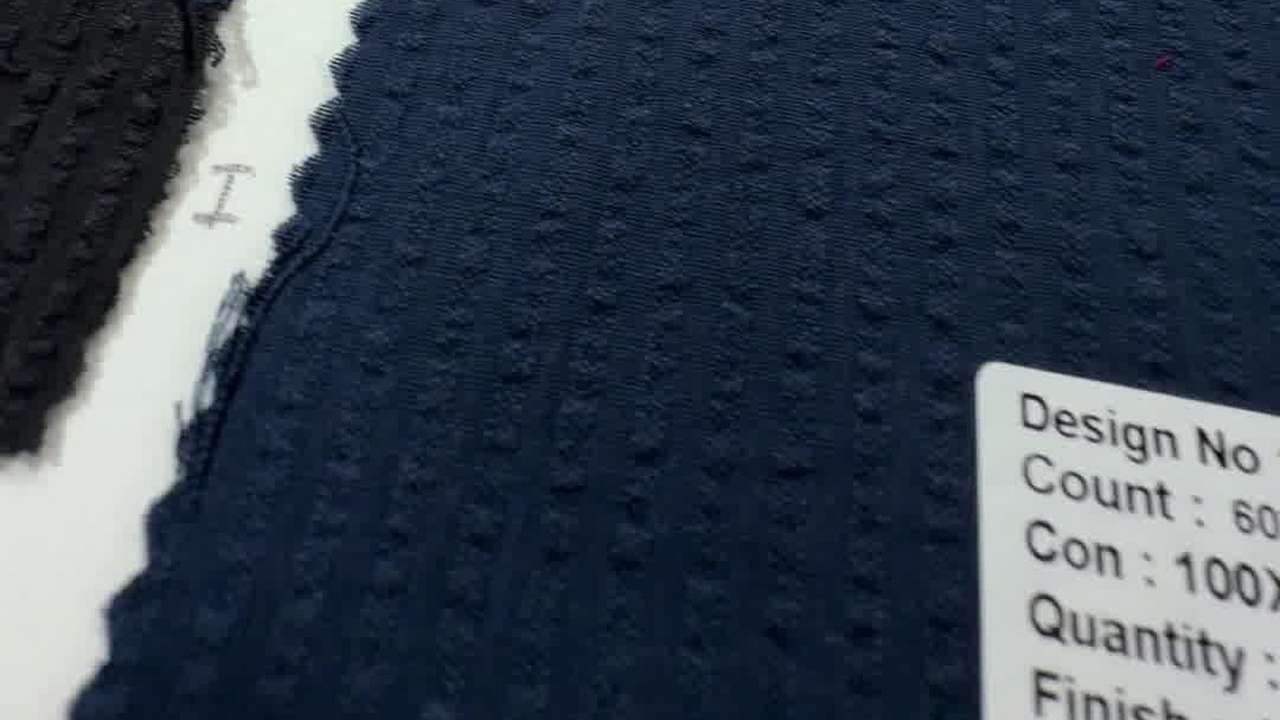
Seersucker is a thin, usually cotton fabric with puckered stripes that are woven in, made by holding part of the warp slack so those threads bunch as the cloth is woven.
Seersucker is a lightweight cotton cloth with permanently puckered stripes. The pucker is woven in, by weaving with two warps held at different tensions, so it does not iron out and does not need ironing. The crinkle holds the cloth off the skin, which is why it is a summer fabric.
Key facts
| Weave | Plain weave on two warps at different tensions (slack-tension weave) |
|---|---|
| Surface | Alternating puckered and flat stripes, woven in, permanent |
| Fibre | Usually 100% cotton; also cotton blends |
| Typical uses | Summer shirts and unlined suits, dresses, children's wear, bedding |
| In our catalogue | Seersucker range in plain shades, each with its shade card |
What is seersucker?
Seersucker is a thin cotton cloth whose stripes are made of pucker, with no print or dye needed to show them. The name comes through Hindi and Urdu from the Persian for milk and sugar, a description of the smooth and rough stripes side by side. The cloth was taken up for hot climates because the pucker holds it slightly away from the body, and it has stayed a summer fabric ever since.
How is the pucker woven?
A seersucker loom carries two warps. One is held at normal tension and weaves flat. The other is fed slack, so as the weft is beaten in those threads bunch up and the stripe they form puckers. Because the pucker is made by the structure of the weave, it survives washing and wear for the life of the garment. A fabric with a similar look can be made by pressing or chemically crinkling a flat cloth after weaving, but that finish is applied to the surface and can soften with washing.
Stripes and solids
The classic seersucker is a yarn-dyed stripe of one colour against white, with the pucker running along the coloured stripe. A plain-dyed seersucker is woven undyed and dyed afterwards, so the whole cloth is one colour and the stripes show as texture alone. Our seersucker range is made this way and offered in a run of shades, each pinned to the page of its swatch book. The difference between the two dyeing routes is explained in yarn-dyed vs piece-dyed fabric.
What is seersucker used for?
The cloth is light and the pucker keeps it off the skin, so it goes into summer shirts and unlined suits, and into dresses and children's clothes. It also turns up in bedding for the same reason. Because it is not meant to be pressed flat, it suits garments that are washed often and worn without ironing. A seersucker shirt and a plain poplin shirt from the same cotton yarn will weigh about the same, but the seersucker will feel cooler on a hot day.
Specifying a seersucker
A seersucker is specified like any woven cotton, by composition, count, construction and width, and the lines on our product pages follow that order. The pucker makes the usable width slightly less than a flat cloth woven on the same loom, so take the width from the card before you plan a marker. How to read those lines is covered in how to read a woven fabric specification, and how to read the page in the swatch book in how to read a BTCPL swatch card.
See it in our stock
Every design with its composition, width and metres available:
Frequently asked questions
Does seersucker need ironing?
No. The pucker is part of the weave, so the cloth is meant to look crinkled. Wash it, shake it out and hang it. Ironing flattens the stripes for a while and they return with the next wash.
Is seersucker the same as crinkle cotton?
Not quite. Seersucker's pucker is woven in with a slack warp and is permanent. Crinkle finishes are pressed or chemically set into a flat cloth after weaving and can fade with washing.
Why is seersucker cool to wear?
The puckered stripes hold part of the cloth away from the skin, so air moves between fabric and body. The cloth is also thin and usually cotton, which absorbs sweat.
Can seersucker be made in a solid colour?
Yes. The classic look is a yarn-dyed blue and white stripe, but the pucker shows just as clearly in a piece-dyed solid, which is how the shades in our swatch book are made.
Sources
- Seersucker, Wikipedia (opens in a new tab) (read 2026-10-19)
Srihari Bang, Managing Director. Srihari Bang has been Managing Director of Bang Textiles & Clothing Pvt Ltd in Bengaluru since June 2023, after four years in new business development at Bang Polypacks in Mumbai. He studied family business management at SP Jain School of Global Management and holds a bachelor's degree from Christ University, Bangalore.
Looking for this fabric? Send an enquiry or browse the fabric catalogue.